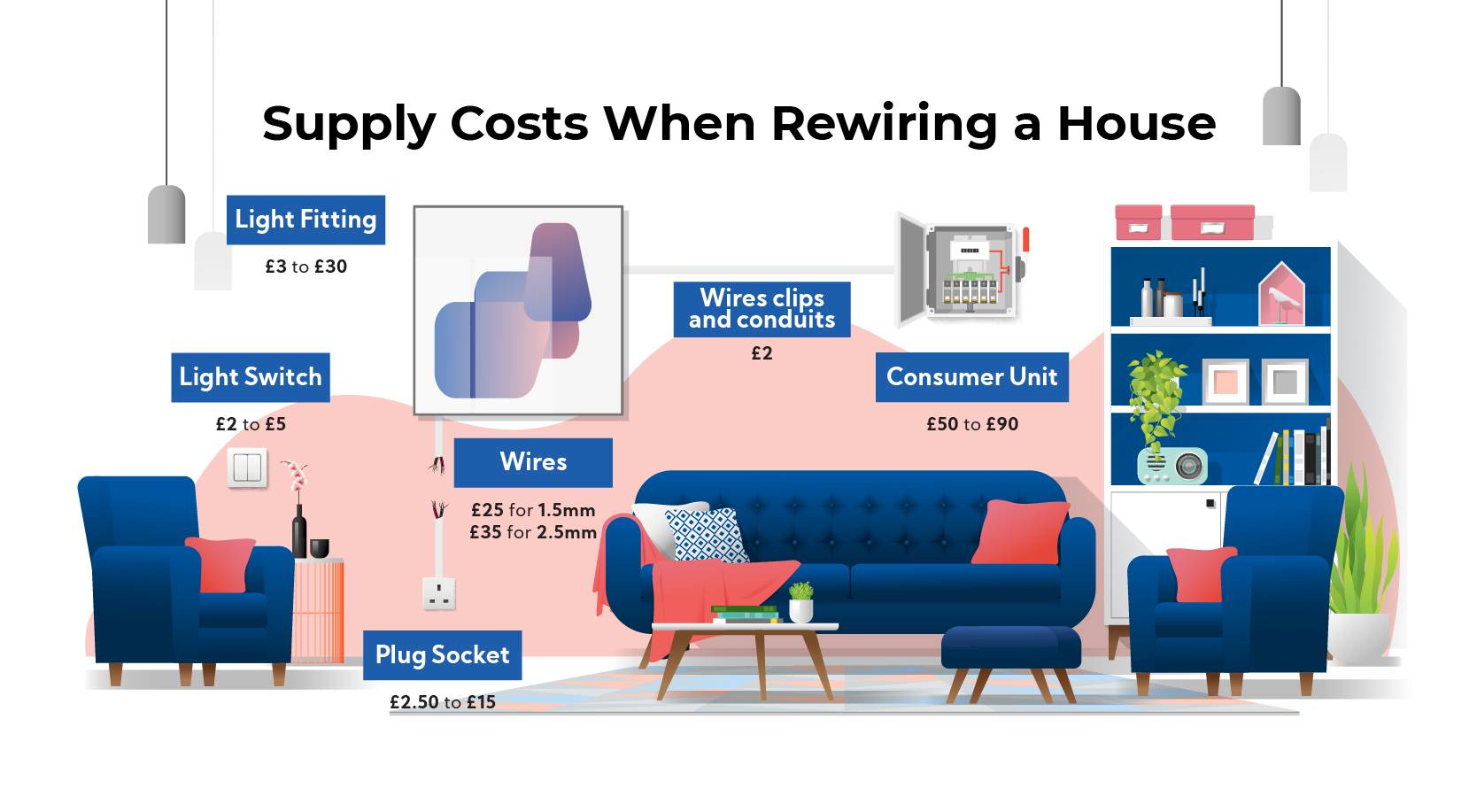
The cost of rewiring a home can vary significantly depending on multiple factors, with the size and age of the property among the most influential. Whether you own a compact apartment or a sprawling heritage house, understanding how these factors affect rewiring expenses can help you plan and budget effectively.
Kyle Hambley from Dynamic Group explains that accurate cost estimations require a thorough assessment of both the property’s dimensions and its electrical infrastructure. This article explores the relationship between home size, age, and rewiring costs.
Why the Cost of Rewiring a Home Varies
Rewiring involves removing old wiring systems and installing new cables, switches, outlets, and circuit breakers that comply with current safety standards. Because every home is unique, the complexity and scope of work differ widely, influencing the overall price. Two primary factors—home size and home age—directly affect the amount of material, labour, and time required for rewiring.
Impact of Home Size on Rewiring Costs
The size of your home determines how much wiring and how many electrical components are needed. Larger homes require more cables, additional circuits, and more extensive labor, all of which increase costs. For example, a single-bedroom apartment will have fewer outlets and lighting fixtures to connect compared to a five-bedroom house with multiple bathrooms and large living areas.
Kyle Hambley notes, “The bigger the property, the more wiring runs you’ll need. This doesn’t just mean longer wires—it also means more junction boxes, outlets, and circuit breakers. Each component adds to the total rewiring cost.”
Furthermore, larger homes often have more complex layouts. Wiring may need to be routed through multiple floors, walls, and ceilings, requiring more time and skill to install correctly and safely.
How Home Age Influences Rewiring Complexity and Cost
Older homes generally require more extensive rewiring work compared to newer constructions. This is primarily because older electrical systems may not meet today’s safety standards, and the existing wiring might be outdated, damaged, or unsafe.
Homes built decades ago often feature knob-and-tube wiring, cloth-insulated cables, or aluminium wiring—materials no longer compliant with modern codes. Removing these older systems can be labor-intensive and sometimes complicated by the home’s construction style.
Kyle Hambley from Dynamic Group explains, “In older homes, you’re not just replacing wires—you’re updating an entire system. That often involves removing plaster or drywall to access wiring, relocating switchboards, and upgrading grounding and circuit protection to meet current regulations.”
The condition of the existing wiring also plays a role. If wires have deteriorated due to age, rodent damage, or corrosion, additional repairs or replacements might be necessary, further increasing costs.
Additional Challenges of Rewiring Older Homes
Older homes often feature solid walls or lath-and-plaster finishes, which can be harder to work with than modern drywall. This makes running new wiring more time-consuming and may require specialist tools or repair work after installation. These challenges contribute to higher labor charges.
Heritage or period homes may also have historical or aesthetic considerations. In such cases, electricians must take extra care to preserve original features, which can complicate the rewiring process and add to the cost.
How Layout and Wiring Upgrades Affect Costs
In addition to size and age, the layout of your home and the desired electrical upgrades influence rewiring expenses. For example, adding new outlets, installing smart home systems, or upgrading to higher-capacity circuits will all affect the final cost.
Dynamic Group advises that homeowners consider their future electrical needs during rewiring projects. Kyle Hambley says, “It’s a good opportunity to future-proof your home. While it may add to initial costs, installing extra circuits or outlets now can save you from expensive upgrades later.”
Estimating Rewiring Costs by Home Size and Age
While precise costs vary by region and property specifics, general estimates can provide a useful starting point. For small homes or apartments (under 100 square meters), rewiring may cost between $3,000 and $6,000. Medium-sized homes (100-200 square meters) often see prices ranging from $6,000 to $10,000, while larger homes or those with complex wiring needs can exceed $10,000.
For older homes, costs tend to increase by 20-50%, reflecting the additional labor and complexity involved. Dynamic Group highlights that thorough inspections are crucial for accurate quotes. “An onsite assessment helps identify hidden issues and informs a realistic budget,” says Kyle Hambley.
How to Prepare for Rewiring Costs
Proper planning and understanding your home’s wiring needs can help manage rewiring costs. Start with a professional electrical inspection to assess the condition of existing wiring and identify necessary upgrades.
Dynamic Group recommends obtaining multiple quotes and ensuring each covers the same scope of work. Kyle Hambley advises, “Don’t just choose the cheapest option—look for experienced electricians who understand local standards and can navigate the challenges posed by older or larger homes.”
Consider scheduling rewiring during other renovation projects to minimise disruption and combine costs for efficiency.
Benefits of Rewiring Regardless of Cost
Though rewiring a home can be costly, the investment improves safety, reliability, and efficiency. Modern wiring reduces fire risks associated with outdated or damaged cables. It also enables the use of contemporary appliances and electronics without overloading circuits.
Kyle Hambley points out, “Rewiring increases property value and peace of mind. You’re not just paying for wires; you’re investing in a safer and more comfortable home.”
The Role of Dynamic Group in Rewiring Projects
Dynamic Group specialises in comprehensive electrical services, including rewiring projects for homes of all sizes and ages. Their team combines technical expertise with thorough planning to deliver safe, compliant, and efficient rewiring solutions.
Kyle Hambley says, “Our approach is tailored to each property. We factor in home size, age, wiring condition, and client needs to provide accurate estimates and quality workmanship.”
Dynamic Group also prioritises clear communication throughout the project, helping homeowners understand costs, timelines, and necessary upgrades.
Final Thoughts
The cost of rewiring a home depends heavily on the size and age of the property. Larger homes require more materials and labor, while older homes often demand complex upgrades to meet modern safety standards. Working with experienced professionals like Dynamic Group ensures that rewiring is done safely, efficiently, and with a clear understanding of costs.
If you’re considering rewiring your home, start with a professional assessment and use expert advice to plan your budget wisely. With the right preparation, rewiring can be a valuable investment in your home’s safety, functionality, and long-term value.